Illusions at Home: Forced Perspective with Your Smartphone
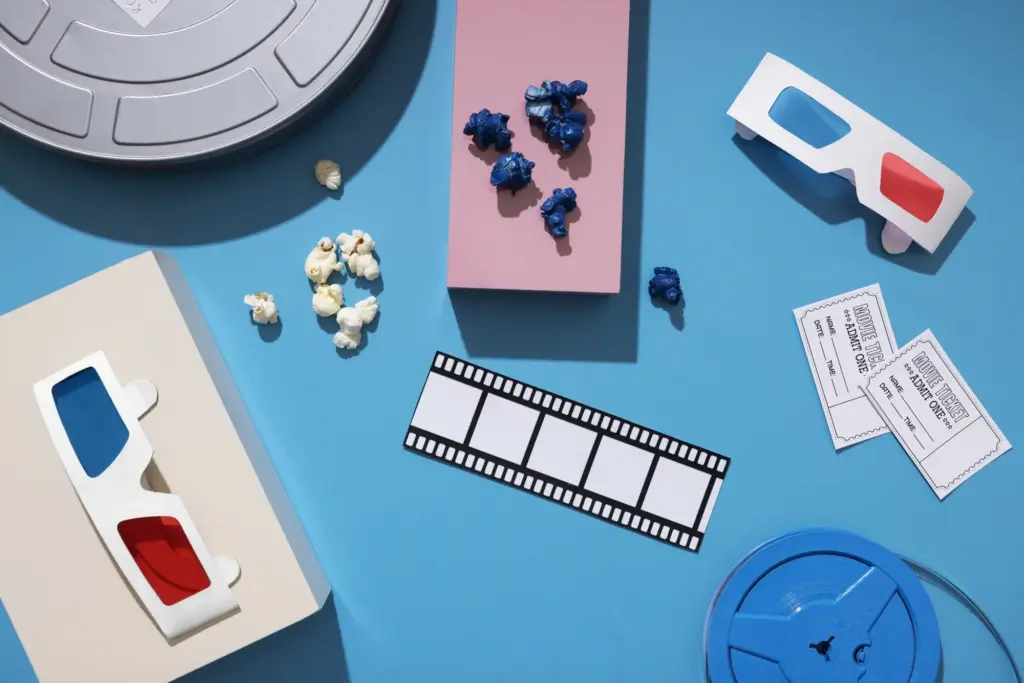
Today we dive into forced perspective smartphone photography with household objects, turning mugs into mountains, forks into ladders, and soap dispensers into towering fountains. With simple positioning, playful light, and thoughtful storytelling, your living room becomes a studio for delightful optical puzzles that entertain, teach, and surprise.
Mugs as Mountains
Place a mug close to the lens and your subject several steps back, then crouch until the mug rim meets the horizon. Add a napkin as snowcap detail. A tiny tilt sells gravity, while steam or backlight suggests weather sweeping across your ceramic range.
Spoons and Shadows as Crescent Moons
Hold a spoon near a lamp and angle it until the reflection thins into a delicate crescent. Frame the curve above a distant face, as if rising over a landscape. Darken surroundings by tapping exposure, letting specular highlights read like captured lunar light.
Natural Light, Clever Angles, Convincing Distance
Light maps shape, angles sculpt scale, and distance fuses both into a single illusion. Window light gives gentle gradients that make fake size feel true. Low camera positions exaggerate height, while strategic separation between objects and people prevents awkward overlaps and confusing edges.

Miniature Adventures on a Bookshelf
Arrange books as canyon walls, slide a postcard as a sunset, and march a toy hiker along a ruler path. A warm desk lamp suggests golden hour. Layer dusted flour for mist, and your smartphone captures a pilgrimage through literature made entirely at home.
Toy Travelers and Colander Constellations
Point your phone through an upside-down colander toward a lamp, throwing speckled light like distant stars. Park a tiny figurine on a saucer planet. Tip exposure slightly darker to let perforations sparkle, and whisper a caption about longing, orbit, and improbable journeys.
Paper Portals and Mirror Worlds
Cut a paper circle and hold it inches from the lens so a friend far away appears to step through. Add a small mirror to duplicate the exit. Imperfections—torn edges, fingerprints—add charm that makes viewers accept the impossibility with a smile.
Craft Stories from the Kitchen Drawer
Objects feel larger when they serve believable roles. Tell a tiny tale: a teabag becomes a hot-air balloon, a colander turns into a starry sky, and a toothbrush stands guard as a lighthouse. Narrative coherence binds your illusion tighter than technical precision alone.
Phone Controls That Make Magic Work
Master a few dependable controls and your illusions land consistently. Lock focus on the foreground prop, drag exposure to balance highlights, and keep stabilization steady. When your phone behaves predictably, you can concentrate on alignment choreography instead of troubleshooting unpredictable automation.
Focus Lock and Exposure Control
Tap and hold to lock focus on the near object, then slide exposure until white paper stays textured, not blown out. This protects realism. If your subject moves, relock deliberately. Tiny shifts can flip scale, so treat focus like scaffolding for your illusion.
Ultra-Wide or Tele for Effect
Try ultra-wide for exaggerated foreground size and sweeping backgrounds, but watch for edge distortion around straight props. A tele lens flattens space, making two far objects appear closer, perfect for stacking a jar behind a thimble. Swap lenses to audition different illusions quickly.
Live Photos and Burst Timing
When alignment feels slippery, use burst or live photo modes to capture micro-variations as you breathe. Later, scrub frames to find the one where the pencil tip meets the horizon exactly. This workflow rewards patience and keeps experimentation lightweight and fun.
Compositions That Fool the Eye
Convincing illusions rely on controlled clutter and guiding lines. Clear stray objects, simplify backgrounds, and use frames within frames to localize attention. Foreground elements establish scale, midground tells the action, and background seals the story. Your phone becomes a pocket theater director.
Edit, Share, and Grow Your Playful Practice
Subtle edits polish believability, thoughtful captions frame curiosity, and regular sessions build muscle memory. Tweak color temperature so all pieces inhabit the same light. Ask for feedback, invite remixes, and celebrate near-misses, because every experiment strengthens timing, intention, and your quickly evolving eye.
Warm the foreground prop to match the subject’s skin tones, or cool everything to moonlight blues. Add gentle clarity only where materials should feel tactile, leaving distant objects smoother. Consistent treatment convinces viewers that scale differences come from distance, not mismatched processing choices.
Use the healing tool to erase crumbs or fingerprints that shout real size. Straighten the horizon so props don’t float accidentally. A slight vignette centers attention without feeling staged, protecting the careful balance between believable physics and joyful, obviously homemade magic.
Post a short behind-the-scenes clip showing the spoon just inches from the lens, then ask followers to guess materials used. Propose a weekly household-object challenge and reshare entries. Celebrate inventive failures, because open curiosity attracts collaborators who expand your playful visual vocabulary.
All Rights Reserved.